

Water Guided Laser Technology Breakthrough: Watlaser Surpasses Imported Equipment
Water Guided Laser is emerging as a next-generation precision manufacturing technology for advanced materials and high-end industrial applications.
For many years, China’s manufacturing industry has been characterized by a large production scale but limited technological depth in certain high-end manufacturing segments. As the foundation of advanced manufacturing, industrial machine tools and processing equipment are now undergoing a critical transformation.
The challenge is particularly significant when machining hard and brittle materials such as semiconductors, ceramics, composites, and other advanced materials. Conventional machining technologies can suffer from stress deformation, thermal damage, low efficiency, and poor edge quality.
Shanghai Watlaser Technology has achieved significant breakthroughs in Water Guided Laser equipment development. In a rigorous continuous-processing test conducted by a listed company over three consecutive days and nights, Watlaser equipment achieved performance exceeding that of imported equipment in several key parameters, with core components based on established international brands.
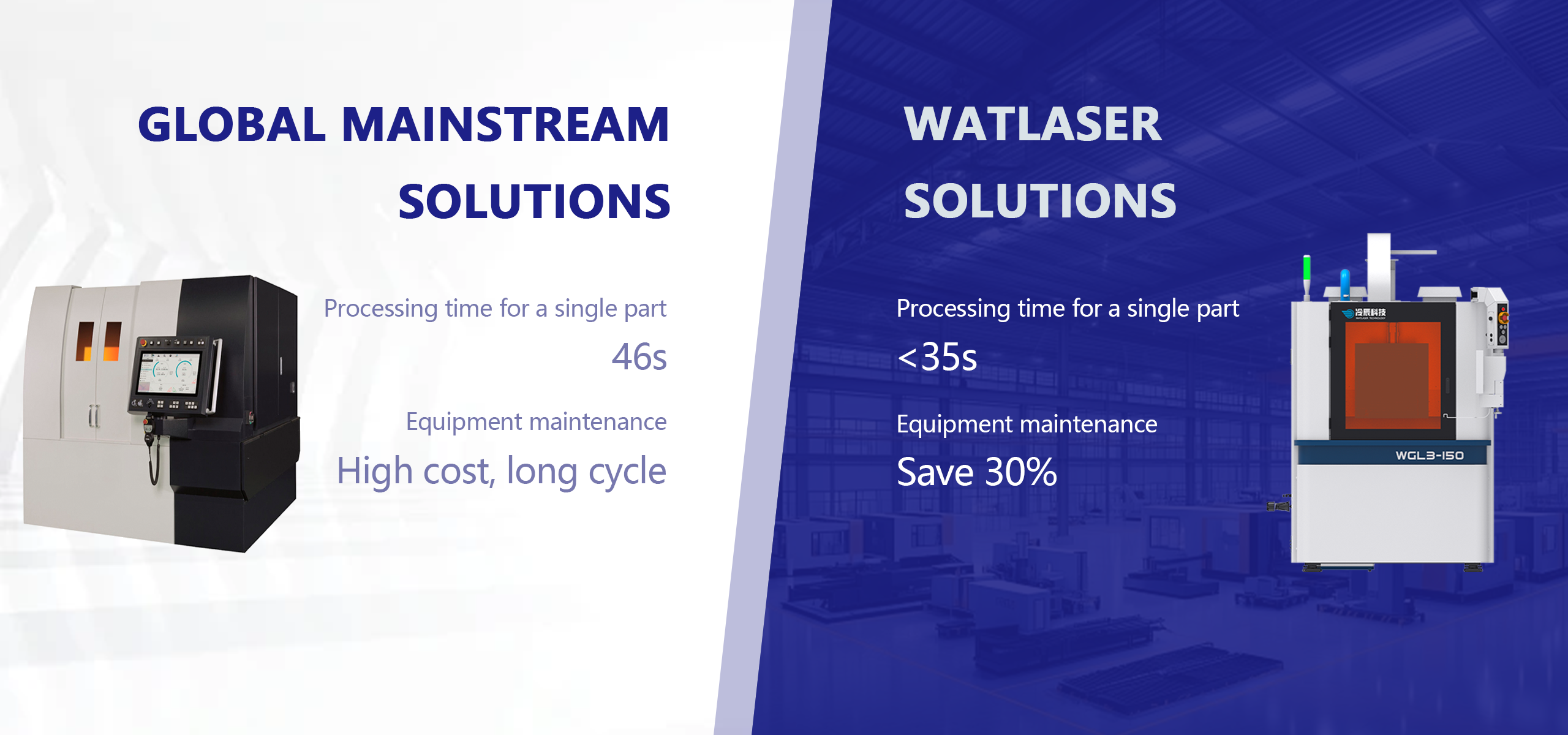
Figure 1. Comparison of selected performance parameters between imported equipment and the Watlaser solution.
As processing requirements become increasingly demanding in aerospace, electronics, medical devices, semiconductors, and other high-end industries, Water Guided Laser technology is attracting growing attention for its combination of precision, efficiency, and low thermal impact.
Unlike conventional mechanical machining, EDM, or traditional laser processing, Water Guided Laser technology combines a focused laser beam with a high-pressure micro water jet.
The laser beam is guided through the water column by total internal reflection, while the water simultaneously provides cooling during the machining process.
This unique combination enables:
-
Minimal heat-affected zones
-
Reduced thermal deformation
-
High machining precision
-
Excellent edge quality
-
Efficient removal of machining debris
-
Improved processing capability for difficult-to-machine materials
The technology has gradually expanded from relatively mature applications to more challenging materials, including advanced ceramics, high-strength alloys, silicon carbide, diamond, and composite materials.
In the medical industry, Water Guided Laser can also be used to machine biocompatible materials and manufacture complex precision components while minimizing thermal damage and preserving material properties.
The development of domestic Water Guided Laser equipment can be broadly divided into several stages.
Stage 1: Principle Verification
Visible light is introduced into a water column to verify the fundamental feasibility of guiding light through water.
Stage 2: Cutting Demonstration
Low-power lasers are used to cut thin workpieces. Although basic cutting can be achieved, processing quality and stability remain limited.
Stage 3: Practical Material Processing
Higher-power laser beams are coupled into micro nozzles with diameters below 100 μm, enabling the machining of advanced materials such as diamond and silicon carbide.
At this stage, however, processing quality and efficiency still lag behind leading imported equipment. CNC systems are also introduced, but software functionality remains relatively basic.
Stage 4: Performance Optimization
Processing quality, cutting efficiency, and nozzle lifetime become comparable to imported equipment.
CNC systems are further optimized for equipment integration, usability, and cost efficiency.
Stage 5: Beyond Imported Equipment
One or more key performance indicators—including cutting quality, processing efficiency, or nozzle lifetime—begin to exceed imported equipment.
This creates differentiated competitiveness and opens up applications that conventional imported systems may struggle to address.
Watlaser has developed Water Guided Laser solutions for a variety of difficult-to-machine materials, including silicon carbide, ceramic matrix composites, and diamond.
SiC Single-Crystal Circular Tube
Watlaser’s Water Guided Laser can achieve a highly vertical cut surface on SiC single-crystal circular tubes.
Key results include:
-
Upper-to-lower diameter deviation of less than 10 μm
-
Minimal edge chipping
-
Near-vertical cutting surfaces
-
Processing efficiency approximately 3× higher than conventional methods
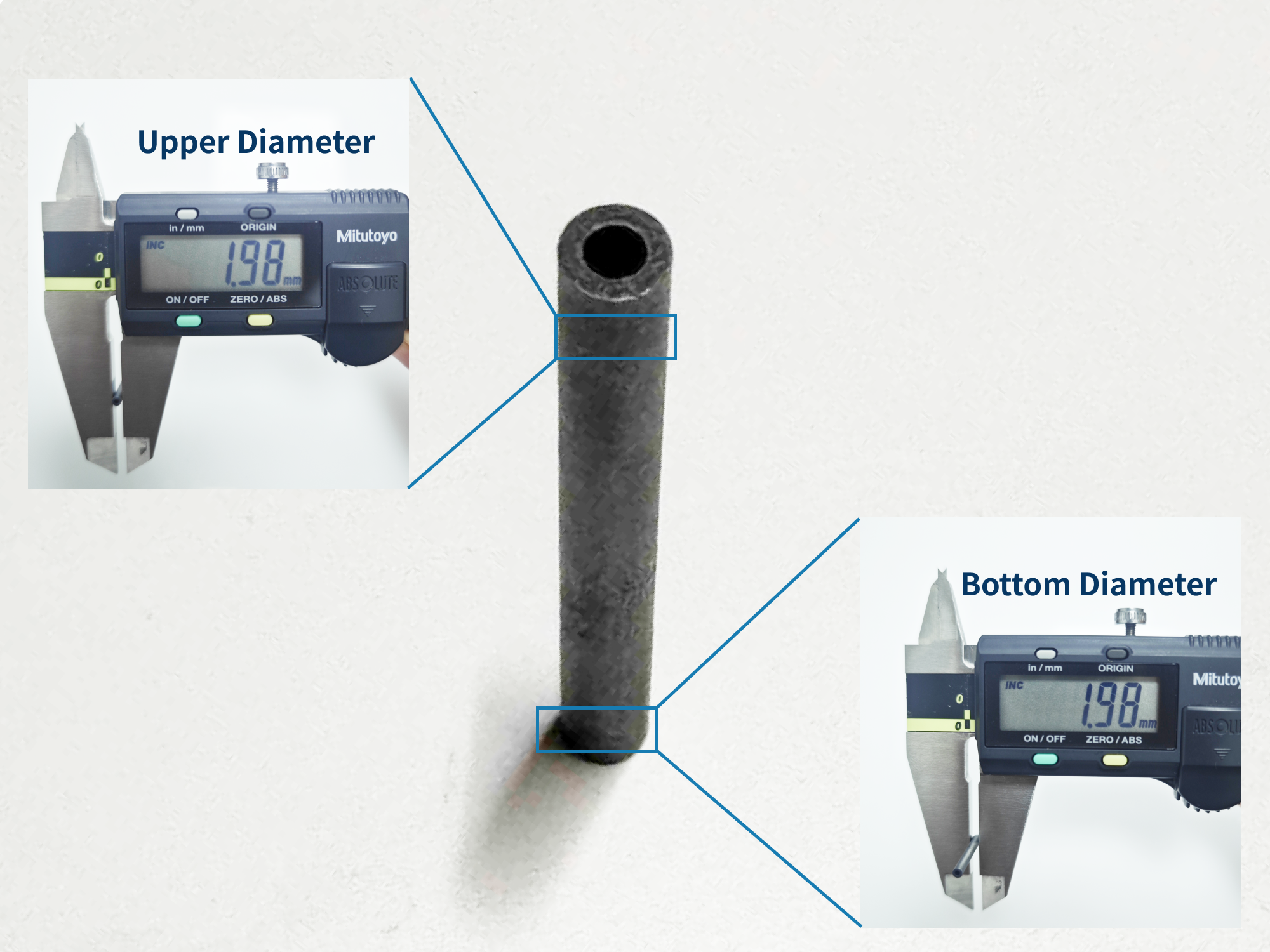
Figure 2. Machining results and advantages of SiC single-crystal circular tubes.
CMC Material Micro-Hole Machining
For ceramic matrix composite (CMC) materials, Watlaser has achieved machining of micro-holes with:
-
0.3 mm diameter
-
4.1 mm depth
-
High aspect ratio
-
Minimal thermal damage
-
No obvious fiber exposure
This demonstrates the potential of Water Guided Laser technology for high-precision machining of advanced composite materials.
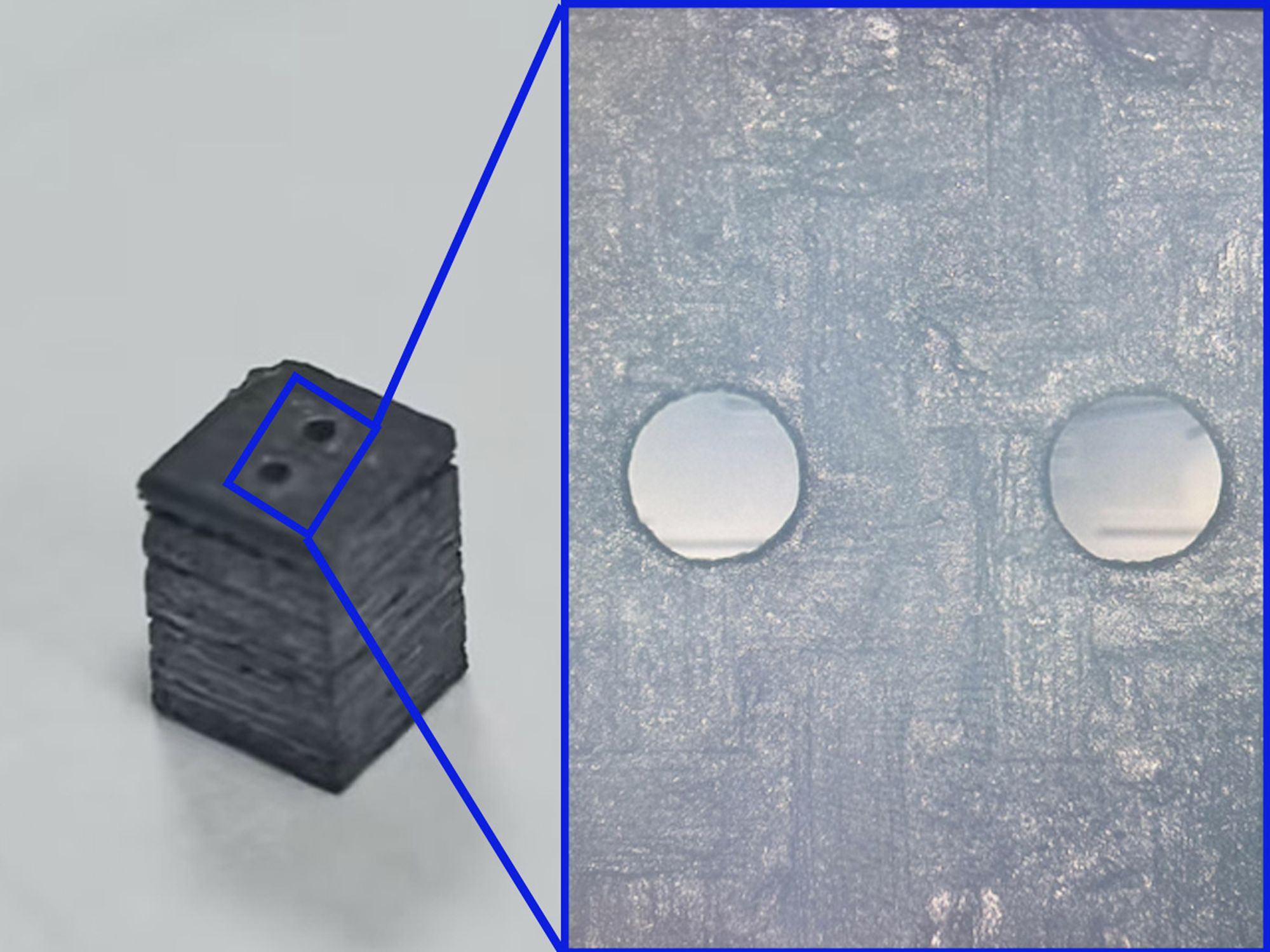
Figure 3. CMC micro-hole machining results and advantages — depth 4.1 mm, diameter 0.3 mm.
Diamond Microchannel Machining
Diamond is one of the hardest engineering materials and is extremely challenging to machine using conventional processes.
Watlaser’s Water Guided Laser technology enables precision machining of diamond microchannels with:
-
Surface roughness as low as Ra 1 μm
-
Excellent dimensional consistency
-
Blind groove width and depth consistency within 15 μm
-
No significant cracking or thermal damage
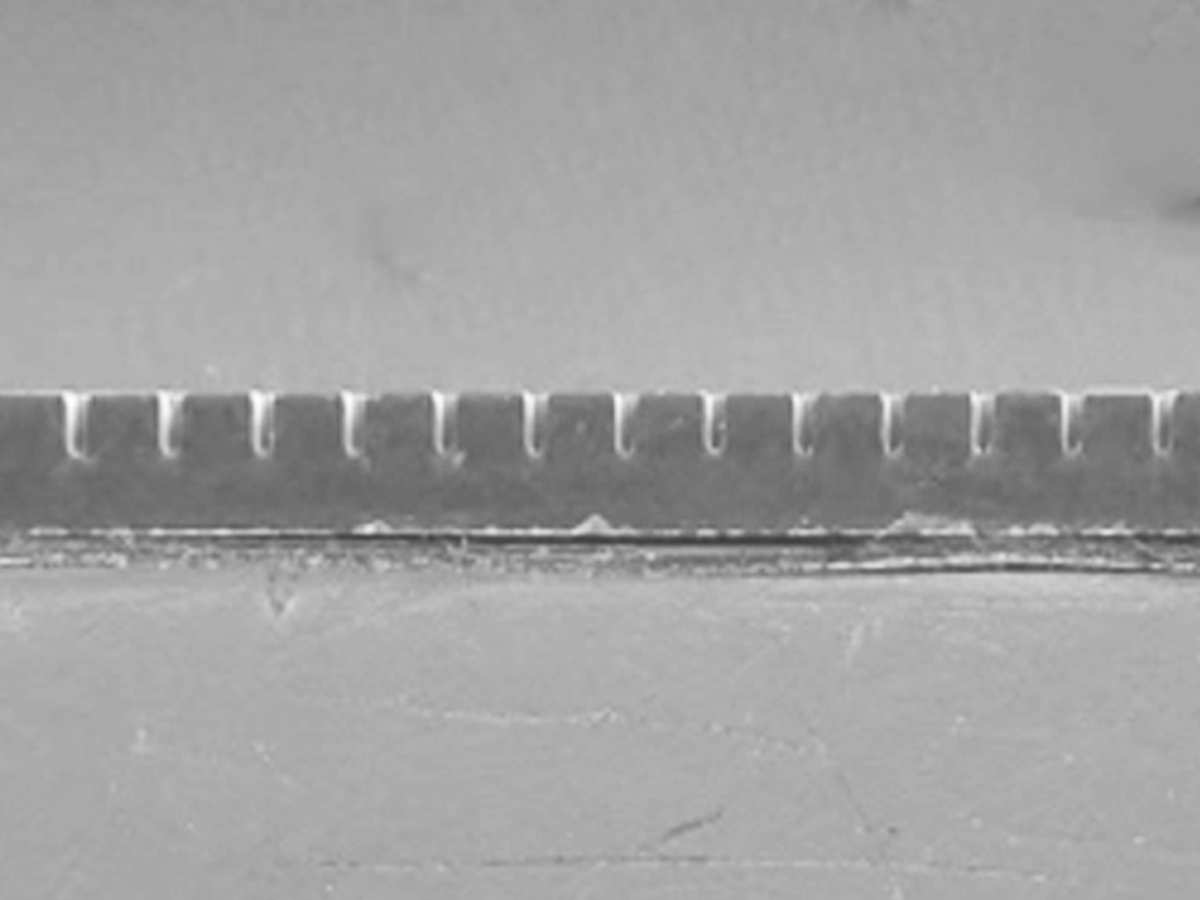
Figure 4. Diamond microchannel machining results and advantages.
Developing a high-performance Water Guided Laser system requires the integration of multiple disciplines.
These include:
-
CNC control systems
-
Optical systems
-
CCD vision
-
Servo and motion control
-
Fluid dynamics
-
Precision mechanical structures
-
Laser-water coupling technology
-
High-pressure water systems
-
Process development
Even some established international manufacturers face challenges in integrating and independently developing the entire technology chain.
Watlaser has pursued a full-chain technology strategy, combining independent software development with forward-designed hardware and extensive experience in laser processing and waterjet equipment.
Rather than relying solely on third-party CNC systems and secondary development, Watlaser has developed its control system from the underlying software architecture.
This enables greater flexibility in:
-
Multi-axis motion control
-
Servo parameter optimization
-
Process customization
-
Equipment integration
-
Application-specific development
The result is a more flexible control platform that can be continuously optimized according to customer requirements.
Watlaser also applies a forward-development approach to critical hardware.
Building on more than a decade of experience in laser processing and waterjet technologies, the company has developed key components including:
-
Laser-water coupling heads
-
High-pressure pump systems
-
Precision mechanical modules
-
Optical and fluid-control components
These components can be optimized according to specific materials, applications, and processing requirements.
Several factors have contributed to Watlaser’s rapid development.
1. Strong Market and Capital Support
The company has received market-based financing and support from professional investment institutions, providing resources for technology development and commercialization.
2. More Than 10 Years of Technical Experience
Although Watlaser is a relatively young company, its core team has accumulated more than a decade of experience in industrial machine tools, laser processing, waterjet cutting, CNC systems, and related technologies.
3. Full Technology-Chain Integration
Watlaser combines software, hardware, optics, fluid systems, motion control, and process engineering within a unified development framework.
This allows the company to optimize the entire system rather than focusing on a single component.
4. Close to Real Manufacturing Needs
China has one of the world's largest manufacturing ecosystems, providing extensive application scenarios and strong demand for rapid process iteration.
Being close to end users allows Watlaser to test, validate, optimize, and commercialize new processing solutions more efficiently.
The Water Guided Laser industry is still in an early stage of industrialization.
One of the major challenges is the relatively small initial purchase volume of many customers and the limited repeat-purchase rate. This indicates that the technology still needs further improvement in areas such as:
-
Equipment stability
-
Ease of operation
-
Process maturity
-
Processing efficiency
-
Long-term reliability
The next major step for the industry is therefore to move from individual application cases to scalable production deployment.
Watlaser is focused on addressing these challenges through continuous equipment development, process optimization, and real-world application validation.
The company's goal is not simply to provide an alternative to imported equipment, but to develop Water Guided Laser systems capable of delivering differentiated performance and creating new possibilities for advanced material processing.


